Kariki Blog
Letting nature do the work: gorse, hill country and the return of native forest
The fastest way to bring native forest back to a gorse-covered hillside may be to leave the gorse alone. That is a valuable and controversial lesson from Fools & Dreamers, a half-hour film about Hinewai Reserve on New Zealand's Banks Peninsula, just south of Christchurch and Canterbury University's School of Forestry.
I trained as a forester at said School of Forestry, and gorse was the enemy in every textbook I was handed and lecture I attended. It is spiny, it burns fiercely, and it takes over pasture the moment the stock come off. Generations of hill country farmers have spent their summers and their margins cutting, spraying and burning it.
Hinewai asks a different question. What if the weed is not the enemy, but the first chapter?
A plan for fools and dreamers
In 1987 botanist Hugh Wilson took on 109 hectares of worn-out, gorse-smothered hill farm for the Maurice White Native Forest Trust. His plan was to stop fighting the gorse and let native forest come up through it.
The neighbours were not impressed. After Wilson explained the idea in the local paper, a farmer wrote back that protecting remnant bush was fine, but turning gorse into forest was "fools and dreamers stuff". At least pines, the letter argued, would earn something.
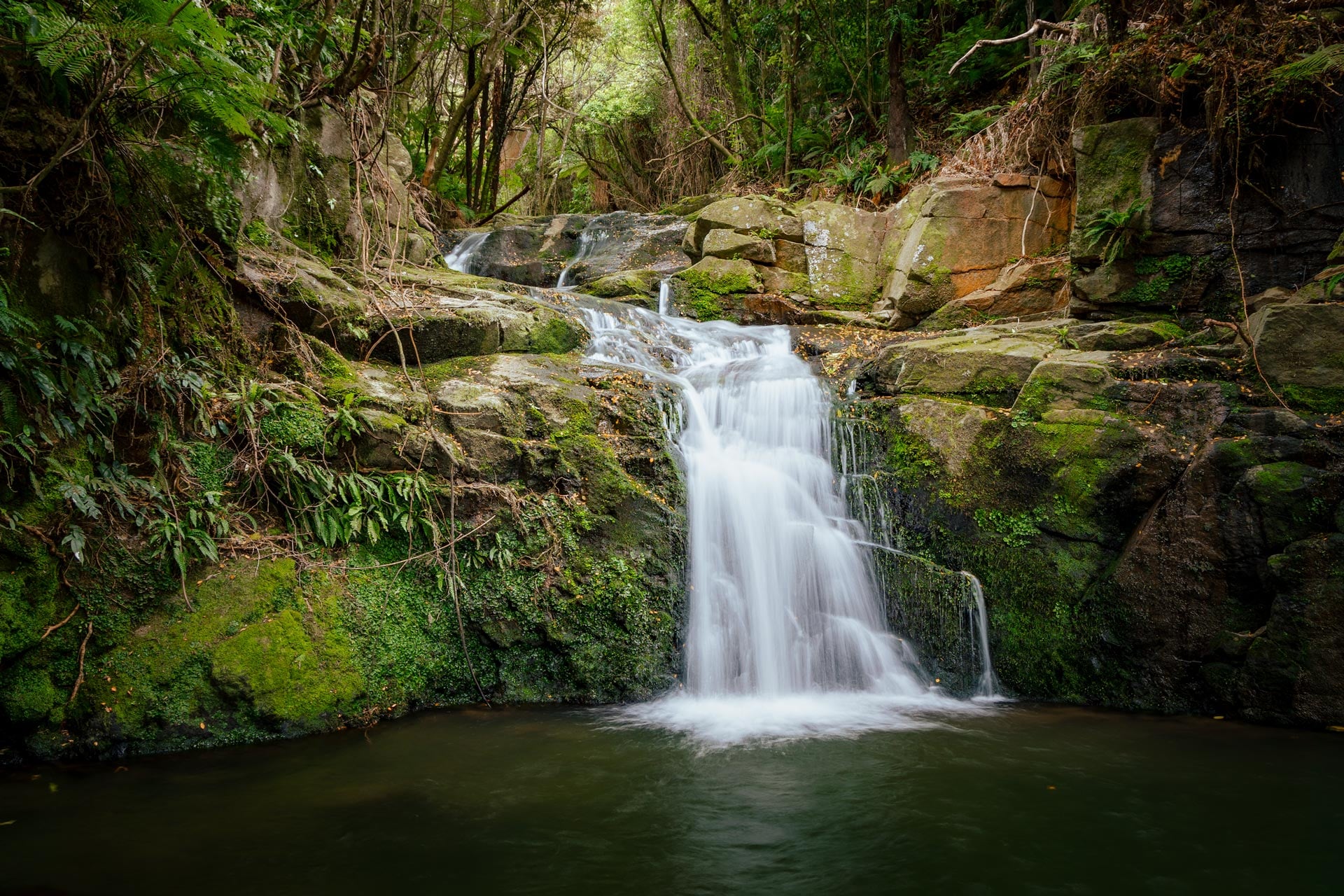
Nearly four decades on, Hinewai has grown to roughly 1,500 hectares and is described as New Zealand's largest private reserve. The valley is under native canopy, 47 waterfalls run all year, and native birds are spreading back onto neighbouring farms. Some of the farmers who doubted the plan now openly praise it in the movie.
Why the gorse loses
Gorse wins on open ground and loses in shade. That single fact of plant biology is the story here.
Gorse is a pioneer. It needs full sun, and it thrives on the bare, grazed, burnt slopes that pastoral farming creates. Every time we cut or burn it we reset the conditions it likes best, which is why clearing gorse so often produces more gorse.
Native forest seedlings work the other way round. Most are shade tolerant, and a gorse thicket suits them well. It shelters them from wind and frost, keeps stock away, and, being a legume, feeds nitrogen into tired soil. Birds perch in it and drop the seed of the forest to come.
As the seedlings rise under the gorse, the grow through it, then above it. Once the native canopy closes, the gorse underneath is starved of light and dies. Nobody sprayed it. It was simply out-competed by a forest it had helped to raise.
As the forest grows the rest of nature returns. The insects, the birds, the fish. The biodiversity of the landscape. When a lightning strike kicked off a massive fire on the peninsula, more of the gorse burnt. none of the native bush was touched. as the fire came up to it. it stopped, point blank.
Minimal interference is not no work
Letting nature do the work still takes decades of disciplined management. Wilson calls the approach minimal interference, and the word that matters is minimal, not none.
The forest only returns if the things that stop it are held back. That means keeping stock out, controlling browsing animals, removing the weeds that natives cannot beat, and bringing the people in to enjoy the biodiversity and see what happens when we care and give nature the time she asks for.
Regeneration depends on what is nearby and in the soil. It depends on allowing the land to return to what it was before we cleared it. Hinewai had remnant bush in its gullies, a seed source and the birds to carry it. A hillside far from any native seed will regenerate slowly, or will need planting to get started.
This a thirty to forty year result, with more to come. The method is cheap in dollars per hectare and expensive in time, which is exactly why it suits land that was never earning much, land that is a poor earner for agriculture or horticulture, for farming.
What this means for marginal hill country
Steep, erosion-prone hill country that struggles to pay its way as pasture may be worth more as regenerating forest. Hinewai shows the conversion can happen at scale without a planting budget.
This is not an argument against production forestry. The world needs timber, and a well-run forest that is grown, harvested and replanted is part of the answer. The point is to match the land to the job: productive forests on land that suits them, and native forest left to return on the slopes where little else makes sense, nurtured along the way, protected over time.
Regenerating hillsides will not offset continued pollution, with forests only one part of a wider effort alongside cleaner power and lower emissions. But between complacency and despair there is useful work to do, and Hinewai shows how it is done.
The gap is control and measurement. A naturally regenerating forest is harder to count than rows of planted pine, so landholders who choose this path often go unrewarded for the carbon and biodiversity they are growing. Closing that gap, by tracking what is actually on the hill as it grows, is the work Kariki is setting out to do.
Hugh Wilson was called a fool and a dreamer in 1987. The hillside has since made the argument for him.
Watch the film, then look again at the gorse on the back paddock.
Happen Films · 2019Watch on YouTube
Sources
- Fools & Dreamers: Regenerating a Native Forest, Happen Films, 2019
- Gorse for the trees: how one man brought back a forest, New Zealand Geographic
- Farmers Weekly on Hinewai and the "fools and dreamers" letter
- How a botanist revived a forest by doing nothing, DailyGood, August 2026
- Letting Nature Do the Work: Lessons from Hinewai, Sustainable Practice